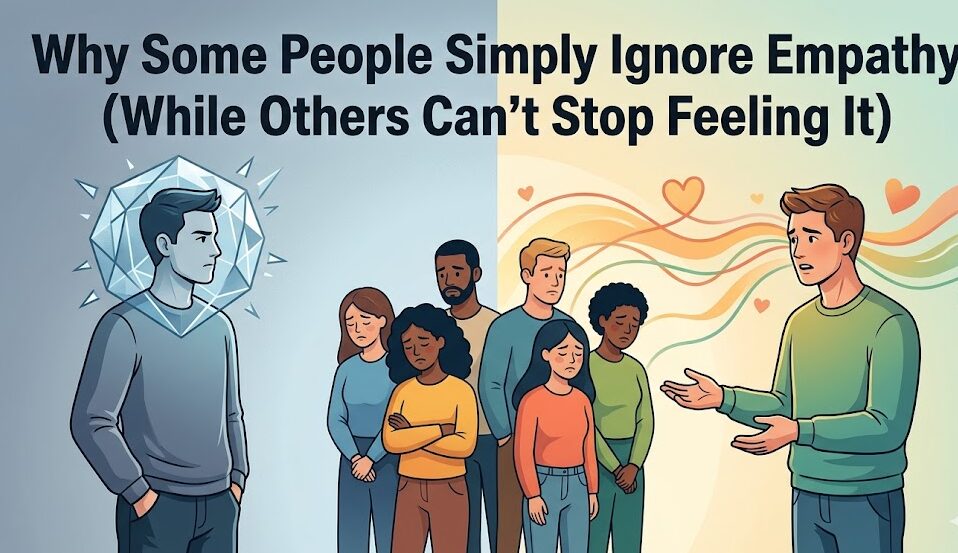
Do you recognize that moment? You’re right there with your friend, heartbroken as if it were your personal mess, while they’re opening up about a terrible breakup. Then there’s the other member of the group who switches the topic to fantasy football scores. What on earth? Some people entirely disregard empathy, acting as though it’s a foreign language. Others? We are engulfed in it and experiencing every single emotion. I’ve been perplexed by this for a long time, especially after seeing my own family. My brother rolls his eyes at those depressing advertising for animal shelters, while my sister sobs. Why, therefore, is there such a large gap? Let’s dissect it no bullshit, just honest conversation.
Alright, but what exactly does empathy mean?
Empathy is more than merely feeling sorry for someone from a distance. No, it’s more profound, like if your brain briefly takes control of their emotions. Cognitive aspect? You understand their state of mind, such as “oh man, losing that job sucks because bills.” Emotional? Your gut twists as you sense it. Imagine your neighbor’s child sobbing over a misplaced toy, and you instinctively pick it up.
However, not everyone is in agreement. Some choose to ignore it and carry on. Others intensify it till they are eliminated. Your biology, upbringing, and even place of origin all have a role. It brings back memories of my time in college, when I would spend the entire night comforting my housemates while one guy slept through the drama.
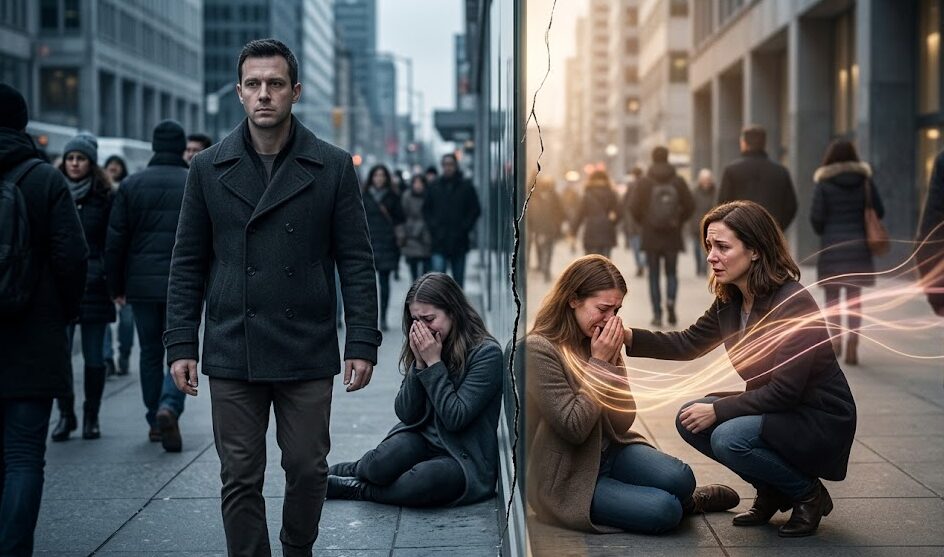
Some brains light up, whereas others don’t.
Here, your brain makes all the decisions. Neurons that reflect light? Those cunning bastards imitate what they observe. When someone flinches in agony, you start to feel empathy. Low-feelers, however, are on slumber. When UC researchers examined brains, they found less activity in areas like the insula. Are they psychopaths? In extreme cases, their amygdala, or fear center, seldom blinks at frightening faces. I was astounded by James Blair’s examination of that.
According to twin studies, genes influence 30% of the outcome. You might inherit the chill if your parents were unyielding realists. Me? I have sensitive wiring, therefore I can’t watch war documentaries without pacing.
Brains with a lot of empathy? Party central. They absorb happiness and sadness because their wiring are thicker. The McGill people demonstrated it. Some people instinctively rush to assist strangers because of this.
It is either shaped or crushed by growing up.
The boot camp is family. Hugs and conversations? You develop empathy. Feelings of “toughen up”? Emotions turn against you. #1. I cried and was made fun of at my uncle’s house since it was a no-feel zone. You know what? Even at fifty, he avoids in-depth conversations.
Psychology books support it: Years later, children from warm households perform far better on tests of empathy. Shutdown mode is taught in conflict-prone areas. Bullies numb you, and school is awful too. As a child, I read a lot and imagined the worlds of characters, which helped me develop empathy.

Iron Wall or Empath Sponge personality?
Your characteristics make the decisions. Extremely amiable? You’re the friend who fixes things. Low? Surgeons slice facts over fluff without crying. Those who are narcissistic? You feel nothing when they “get” you to utilize you. They are half as sympathetic, according to studies.
People with HSPs are extremely sensitive and feel everything. Elaine Aron says 20% of us. Parties wear them out. That’s how crowds fry my wife.
People with HSPs are extremely sensitive and feel everything. Elaine Aron says 20% of us. Parties wear them out. That’s how crowds fry my wife.
I quickly created this table because lists are useful to my brain:
| Trait Vibes | How They Do Empathy | Everyday Example | Upside | Downside |
| Agreeable as hell | Dive in headfirst | Buddy who remembers your coffee order during hell week | Loyal AF | Doormat risk |
| Tough pragmatist | Keeps it logical | Boss laying off without drama | Gets shit done | “Robot” label |
| Narcissist energy | Only if it helps them | That influencer milking sympathy | Smooth talker | Users unite |
| Super sensitive | Overload city | Therapist carrying clients home | Deep connections | Total burnout |
| Psychopath lite | Zilch on feelings | Shark salesman | Balls of steel | Lonely road |
Practical, huh? Don’t let personalities confine you; instead, let them nudge.
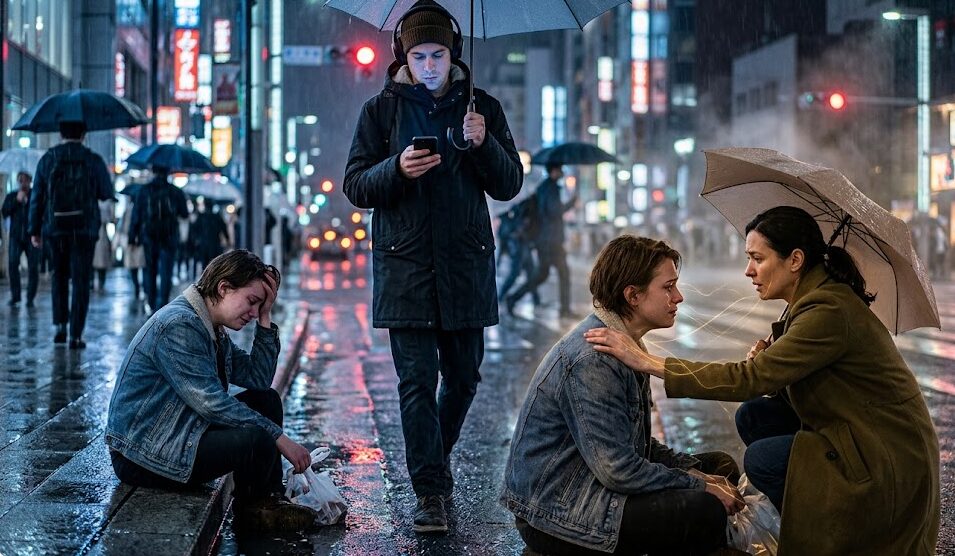
East and West Cultures Sneak In and Feel Different
Here, we prioritize the group, thus we have strong feelings for the family. America? Work alone; empathy is not required. According to studies, Americans are 20% behind Asians. Social media? fake-perfect lives that numb us. Real hardships evaporate as I browse Instagram and watch opulent holidays.
Women who are socialized to be nurturing tend to score better on feelings than men. Thank God, things are changing now.
Stress and Scars: The Off-Switch for Empathy
Life outweighs it. Are you under stress? Emotional portions of the brain shrink. Trauma? Dim empathy lights appear on lock-it-down PTSD scans. After burnout shifts, nurses become apathetic at first. After thirty years of teaching, my aunt used to comfort crying children; now days, it’s just paperwork.
Under pressure, low-feelers bunker more firmly.
Do You Want to Fix It? Empathy Can Be Hacked
Not doomed! Harvard claims that after eight weeks of meditation, empathy increases by thirty percent. Read novels and consider other viewpoints. The low ones are tuned up via therapy. Are you sympathetic? You will crash if you don’t set walls.
How It Affects (Or Destroys) Actual Life
Lacking empathy? Partners in a failing relationship feel invisible. Work? Teams disintegrate; Google claims it’s essential for success. On the high side? Souls are connected by leaders such as Oprah.
Politics: Feelers unite, low-empathy politicians divide.
Read More: Breaking: Affordable Health Insurance 2026 Plans in the UK That Protect You – Compare & Slash Costs!
Final Thoughts
Some people ignore it cold, while others wallow in it due to a combination of brain oddities, childhood years, personality, culture, and stress. While the upper crew creates warmth, the low crew powers through storms. People, balance it out.